

The soil is our factory:
we better take good care of it

At ProAg Invest we believe that RegenAg is a matter of common sense, and we aim to manage our farms in that way, focusing on soil regeneration, water cycle restoration, carbon sequestration and biodiversity enhancement through:

  • Permanent, no-till crops and extensive use of selected cover crops to increase organic matter and support pollinators
  • Improving soil fertility through natural methods and biological pest (insects) control, leaving pruning remains and mulch between trees for compost
  • Water management optimization, with the adoption of precision agriculture and advanced irrigation techniques & technology (sensor, satellite mapping, etc), maximizing yields while reducing resource use.
  • Use of anti-weed mesh to avoid use of herbicides, retain soil moisture and save water
  • Integrating livestock for natural weed control and fertilization

      Avocado farm – case

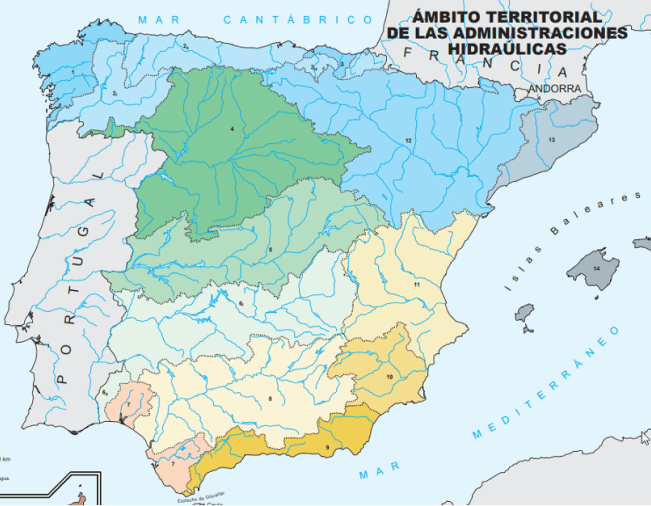
The water management system in Spain

Water Management System

In Spain, water is divided into Hydrographic/River Basins of each of the main Spanish rivers (Tajo, Guadalquivir, etc.).
Each of them are managed by the corresponding Hydrographic Confederation that governs, controls and plans the rational use of water for all uses (consumption, industry, irrigation).

  • Each Hydrographic Confederation is responsible for managing the corresponding water allocation to farmers through Water Concessions.
  • The Water Concession establishes the right to use water for each specific property and regulates the use, the crop and the number of hectares to be irrigated, the annual volume and the amount of water per hectare that each irrigator can use.
  • Water concessions operate like a budget: there is a certain amount each year for each Hydrographic Confederation, which must be used rationally, seeking optimization, but which must be used each year.
  • Our goal is to optimize the use of this scarce resource by using the technology and tools available and, above all, common sense.

Two-fold Profit & ESG Investment Objective

2nd ESG Approach : “Social Profit-with-purpose Investments”

Mitigate demographic exodus by promoting economic development and professionalization of the rural environment
How do we do it?

  1. Design of the career plan of local farmers, who in exchange for their long-term relationship commitment, will receive professional training, means and technology to develop their skills…
  2. Consolidation of agricultural farm projects turning them into profitable businesses, professionally managed and sustainable in the long term,
  3. which allows ensuring local economic development and favouring the environment for the establishment of rural population.

Efficient and sustainable use of natural resources, rational management of chemicals and their release into the environment
How do we do it?

  1. Transformation of agricultural holdings, introducing the use of modern management and digitalization techniques for the efficient use and use of all the inputs necessary for production (orography and soil composition, water quality, monitoring of the evolution of crops
  2. Efficient management of water resources (state-of-the-art monitored irrigation, humidity sensors, ponds, anti-weed membranes, etc.) and rational use of fertilizers (NO2 reduction)
  3. Contribution to the circular economy by minimizing the use of resources and supplies per unit produced, as well as minimizing and recycling waste – target: zero waste
  4. Control and reduction of Greenhouse Gas emissions: use of efficient machinery and renewable energy sources

Execution of EC Green Deal strategy on “Biodiversity” & “From Farm to Fork”

How do we do it?

  1. Objective of at least 30% of farms managed with ecological criteria, seeking to achieve total zero waste.
  2. Planting permanent crops with a long useful life & regenerative agriculture, favouring the sequestration and retention of CO2. No tillage.
  3. Reforestation and conservation plan in non-usable forest plots. Use of cover crops between the rows.
  4. Widespread use of bee colonies and pollinating insects and care of the local fauna